

Nickel Alloy 625 Tubing

Nickel Alloy 625 Tubing Explained for Procurement and Design Teams

4130 Tubing Worth

Alloy 625 tubing is the answer when chlorides, high heat, or sour gas push standard stainless past its limits. This guide covers the chemistry behind its corrosion resistance, the service conditions where it earns its cost, and the ASTM specs that govern it. It also lays out what procurement teams should verify on every mill test report before signing off.

Continue reading “Nickel Alloy 625 Tubing Explained for Procurement and Design Teams”

6 Industries That Use 309 Stainless Steel Tube [Infographic]

Industries That Use 309 Stainless Steel Tube

Industries that operate in high-temperature and corrosive environments require materials that can maintain strength, resist oxidation, and perform reliably over long periods. Standard materials often degrade under extreme heat, making specialized stainless steel grades essential for such applications. Selecting the right material directly impacts safety, efficiency, and equipment lifespan. Continue reading “6 Industries That Use 309 Stainless Steel Tube [Infographic]”

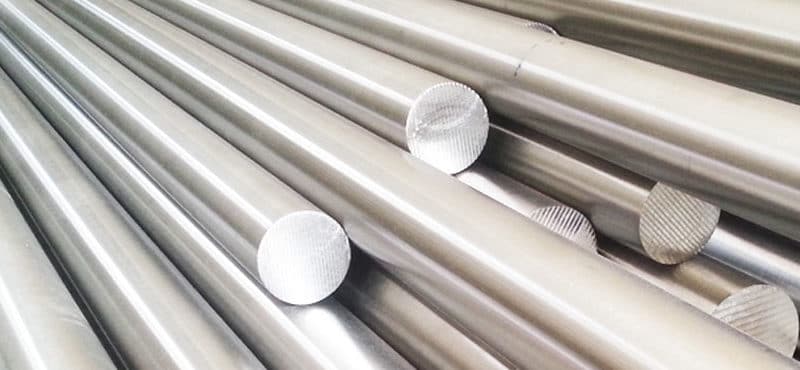
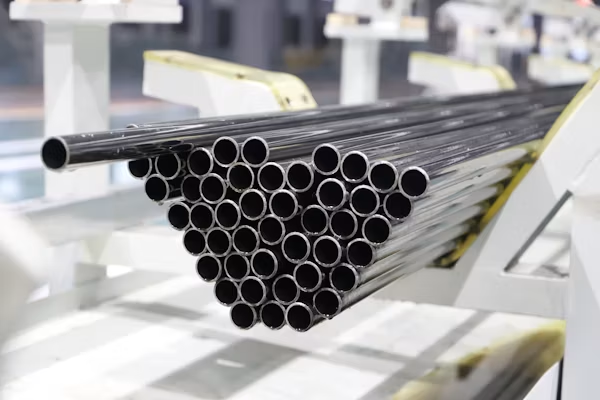
Close up shot of circle shape silver color pipeline tied together

How 310 Stainless Steel Tube Performs Under High Heat

How 310 Stainless Steel Tube Performs Under High Heat

310 grade stainless steel tube carries a nominal composition of 25% chromium and 20% nickel, giving it strong oxidation resistance in continuous service up to temperatures of 1040°C. It appears in industrial furnaces, petrochemical processes, and power generation equipment where lower alloy grades fail early. Before sourcing these tubes, always verify the mill test report and confirm the service atmosphere to make sure this grade is the right fit.

Continue reading “How 310 Stainless Steel Tube Performs Under High Heat”

How does a 4130 Square Tube Improve Durability and Performance in Structural Engineering Projects

How does a 4130 Square Tube Improve Durability and Performance in Structural Engineering Projects

How does a 4130 Square Tube Improve Durability and Performance in Structural Engineering Projects

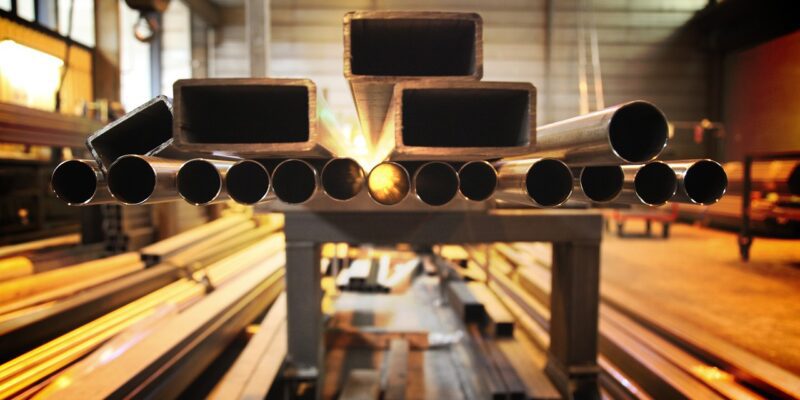
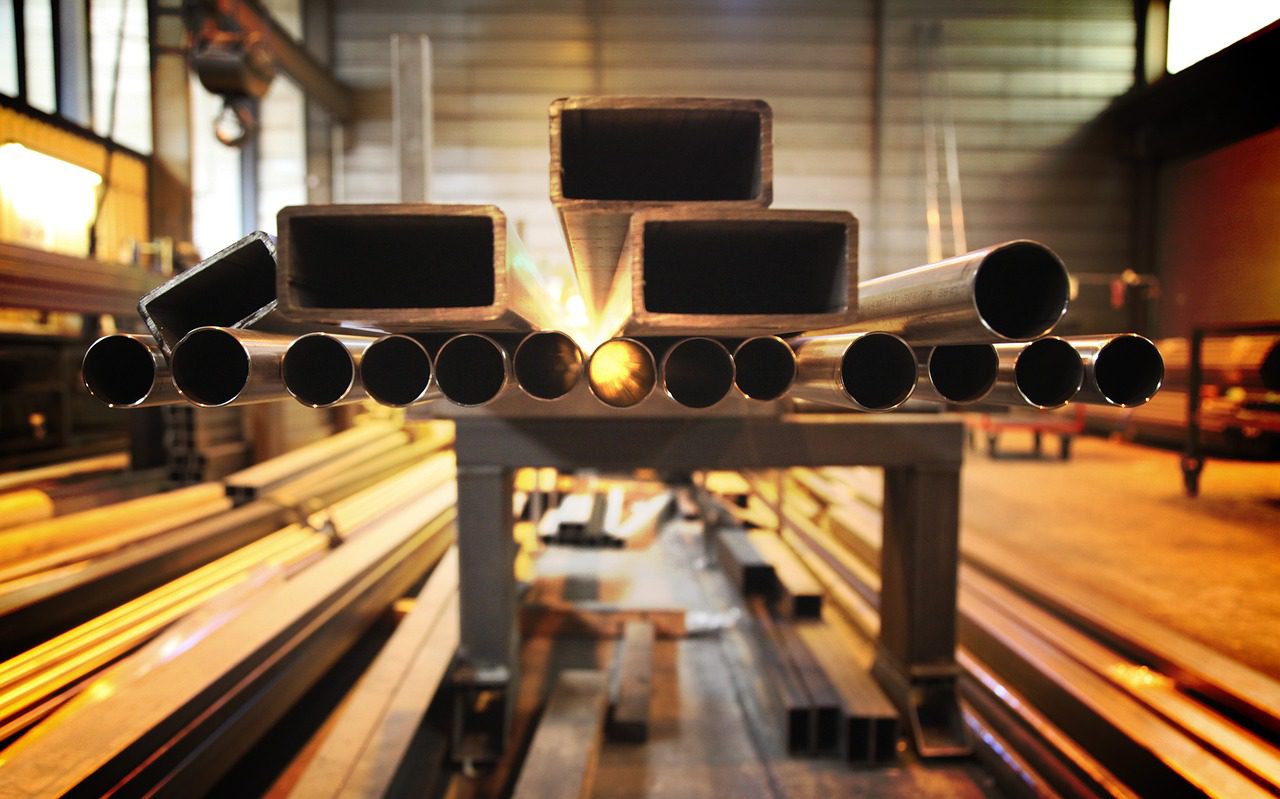
4130 Square Tube is a chrome-molybdenum alloy steel known for high tensile strength and fatigue resistance. It outperforms standard steel tubes in structural engineering applications involving load-bearing frames, supports, and high-stress components.

Continue reading “How does a 4130 Square Tube Improve Durability and Performance in Structural Engineering Projects”

Precision, Performance, and Power: The Role of Light Wall Stainless Steel Tubing in Modern Engineering

7 Important Properties of 310 Stainless Steel Tube [Infographic]

Industrial environments that involve high temperatures, corrosive conditions, or demanding mechanical loads require materials with reliable performance characteristics. Selecting the right grade of stainless steel is essential for ensuring durability, safety, and long-term operational efficiency. Certain stainless steel alloys are specifically engineered to withstand extreme conditions.

Continue reading “7 Important Properties of 310 Stainless Steel Tube [Infographic]”

C276 Pipe Delivers Exceptional

Industrial Applications Where C276 Pipe Delivers Exceptional Performance

C276 Pipe Delivers Exceptional

Choosing the wrong pipe material in a demanding environment is a costly mistake that compounds quickly. The C276 pipe, manufactured from Hastelloy C-276 nickel alloy, is built to handle conditions that cause standard steel and other alloys to fail. Its corrosion resistance, thermal stability, and mechanical strength make it a specified choice across some of the world’s most challenging industrial sectors.

Continue reading “Industrial Applications Where C276 Pipe Delivers Exceptional Performance”

Superior Corrosion Resistance in Demanding Environments

Key Industrial Applications Where Nickel Alloy 20 Tubing Outperforms Standard Stainless Steel

Superior Corrosion Resistance in Demanding Environments

Industrial systems that handle corrosive media demand the use of materials that can hold up for years without failing. Standard grades of stainless steel often fall short when conditions include high acid concentrations or elevated temperatures. Nickel alloy 20 tubing has become a go-to option for plant engineers and procurement teams who cannot afford repeated material failures.

Continue reading “Key Industrial Applications Where Nickel Alloy 20 Tubing Outperforms Standard Stainless Steel”

8 Typical Industrial Applications of 316 Stainless Tubing [Infographic]

316 stainless steel tubing is widely used across industries where corrosion resistance, strength, and reliability are essential. Its molybdenum content enhances resistance to chlorides and harsh environments, making it suitable for demanding operational conditions. Understanding where this material is commonly applied helps engineers and buyers match performance requirements to real-world use. Continue reading “8 Typical Industrial Applications of 316 Stainless Tubing [Infographic]”

Applications Where Nickel Alloy 201 Tubing Delivers Long-Term Reliability

Applications Where Nickel Alloy 201 Tubing Delivers Long-Term Reliability

Applications Where Nickel Alloy 201 Tubing Delivers Long-Term Reliability

Industrial operations in harsh environments demand the use of materials that perform predictably over extended service periods without unexpected failures or costly downtime. Nickel alloy 201 tubing stands out in applications where corrosion resistance and mechanical stability directly impact operational continuity. This material choice reduces total cost of ownership through fewer replacements and minimal maintenance interventions.

Continue reading “Applications Where Nickel Alloy 201 Tubing Delivers Long-Term Reliability”