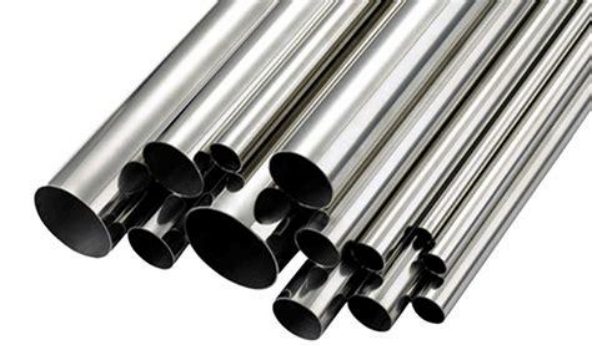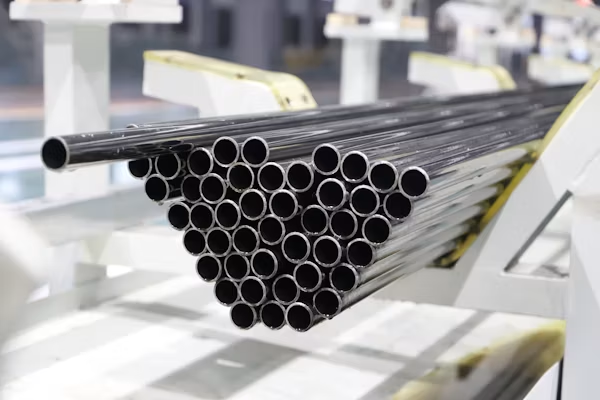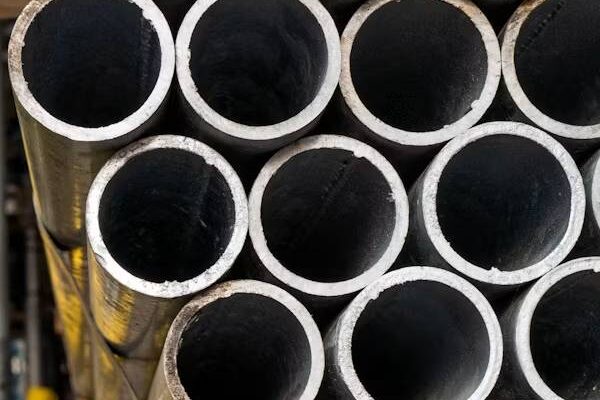
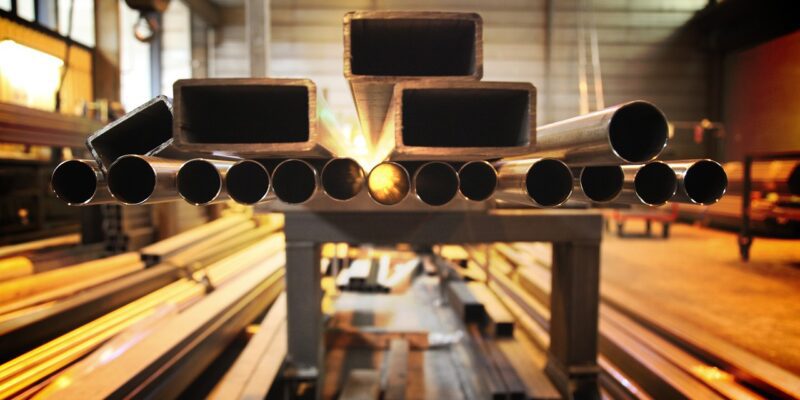
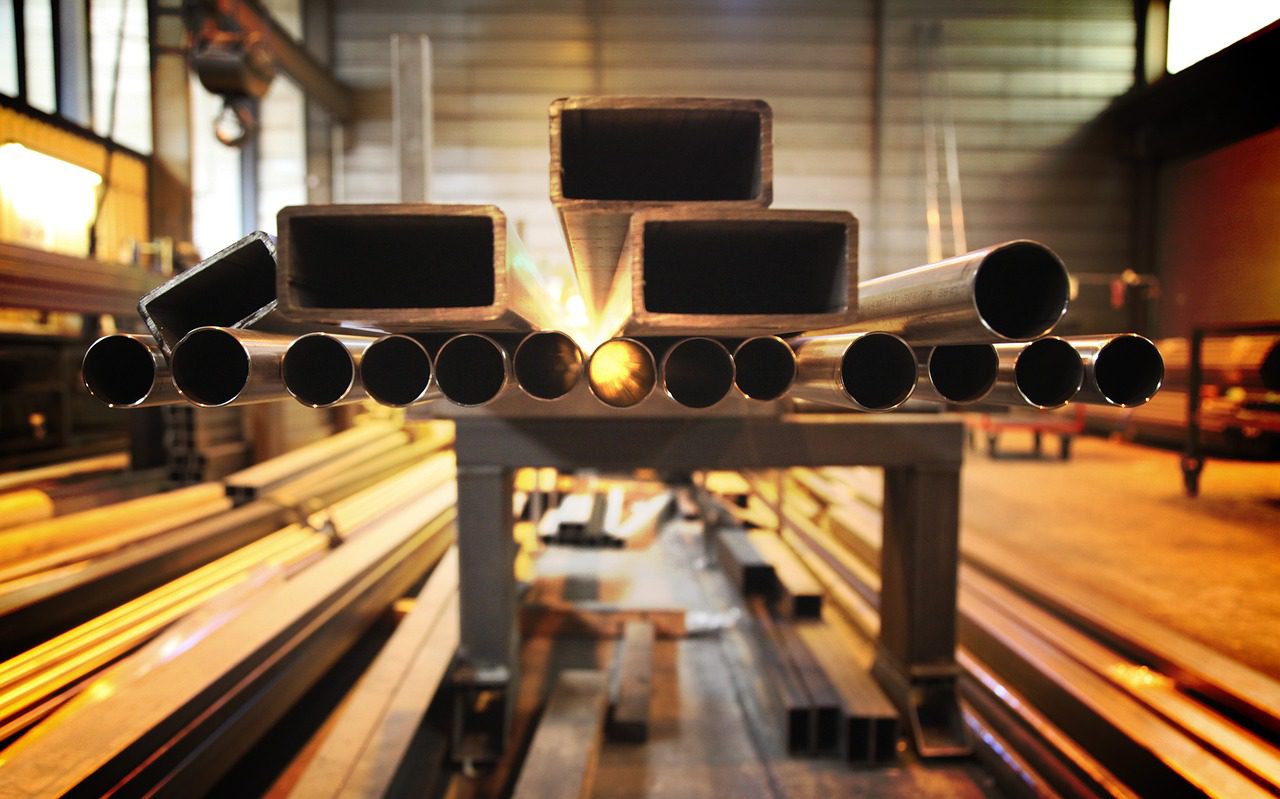
A pile of chrome pipes

9 Benefits of Using Chrome Pipe for High Performance Industrial Applications [Infographic]

A pile of chrome pipes

Choosing the correct material for the various pipelines used within industrial facilities is one of the most important considerations for an engineers’ responsible for the maintenance and ongoing operation of those systems for the decades ahead.
Continue reading “9 Benefits of Using Chrome Pipe for High Performance Industrial Applications [Infographic]”

Stainless Steel Tube vs. Pipe: Key Differences Explained

9 Benefits of Using 304 Stainless Steel Tube Across Industrial and Commercial Applications [Infographic]

Stainless Steel Tube vs. Pipe: Key Differences Explained
Stainless steel remains one of the most widely specified materials across construction, manufacturing, food processing, and engineering industries due to its exceptional strength, durability, and resistance to corrosion. Selecting the correct grade of stainless steel for a given application is critical to ensuring long term performance, structural integrity, and compliance with industry standards. Among the many available grades, one stands out as the most versatile and commonly used across a broad range of sectors.
Continue reading “9 Benefits of Using 304 Stainless Steel Tube Across Industrial and Commercial Applications [Infographic]”

Here's a short alt tag for the image: `Stacked seamless steel pipes`

316 Seamless Tube Specs: ASTM A213, A269, and A312 Explained

Here's a short alt tag for the image: `Stacked seamless steel pipes`

This post explains that ordering 316 seamless tubes by grade alone isn’t enough, since three standards (ASTM A213, A269, and A312) cover most orders and serve different jobs. It warns that treating them as interchangeable leads to field failures or rejected paperwork. This piece sets up a breakdown of how each standard splits by intended use.

Continue reading “316 Seamless Tube Specs: ASTM A213, A269, and A312 Explained”

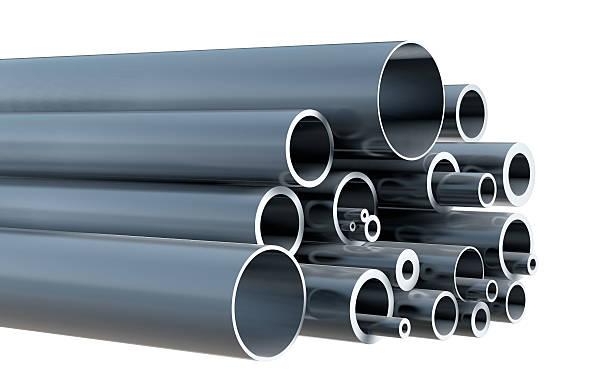
A pile of stainless-steel tubes

8 Applications Where Stainless Steel Tube Is Widely Used [Infographic]

A pile of stainless-steel tubes

Industrial and commercial sectors require materials that can withstand pressure, corrosion, temperature changes, and demanding operating environments. Stainless steel is widely valued for its durability, strength, and resistance to rust, making it suitable for a broad range of applications across industries. Tubing made from stainless steel is especially important in systems that require reliability and long service life.
Continue reading “8 Applications Where Stainless Steel Tube Is Widely Used [Infographic]”

6 Industries That Use 309 Stainless Steel Tube [Infographic]

Industries That Use 309 Stainless Steel Tube

Industries that operate in high-temperature and corrosive environments require materials that can maintain strength, resist oxidation, and perform reliably over long periods. Standard materials often degrade under extreme heat, making specialized stainless steel grades essential for such applications. Selecting the right material directly impacts safety, efficiency, and equipment lifespan. Continue reading “6 Industries That Use 309 Stainless Steel Tube [Infographic]”

C276 Pipe Delivers Exceptional

Industrial Applications Where C276 Pipe Delivers Exceptional Performance

C276 Pipe Delivers Exceptional

Choosing the wrong pipe material in a demanding environment is a costly mistake that compounds quickly. The C276 pipe, manufactured from Hastelloy C-276 nickel alloy, is built to handle conditions that cause standard steel and other alloys to fail. Its corrosion resistance, thermal stability, and mechanical strength make it a specified choice across some of the world’s most challenging industrial sectors.

Continue reading “Industrial Applications Where C276 Pipe Delivers Exceptional Performance”

Applications Where Nickel Alloy 201 Tubing Delivers Long-Term Reliability

Applications Where Nickel Alloy 201 Tubing Delivers Long-Term Reliability

Applications Where Nickel Alloy 201 Tubing Delivers Long-Term Reliability

Industrial operations in harsh environments demand the use of materials that perform predictably over extended service periods without unexpected failures or costly downtime. Nickel alloy 201 tubing stands out in applications where corrosion resistance and mechanical stability directly impact operational continuity. This material choice reduces total cost of ownership through fewer replacements and minimal maintenance interventions.

Continue reading “Applications Where Nickel Alloy 201 Tubing Delivers Long-Term Reliability”

Top Industrial Applications of 310 Stainless Steel Tube Across Sectors

Top Industrial Applications of 310 Stainless Steel Tube Across Sectors

Top Industrial Applications of 310 Stainless Steel Tube Across Sectors

Industrial operations demand the use of materials that withstand extreme conditions without compromising performance. From scorching furnace environments to aggressive chemical exposure, selecting the right tubing determines operational efficiency and safety margins. Advanced manufacturing sectors rely on 310 stainless steel tubes and specialized alloys that resist thermal degradation and corrosive attack. The material choice directly impacts equipment longevity, maintenance costs, and production continuity across demanding applications.

Continue reading “Top Industrial Applications of 310 Stainless Steel Tube Across Sectors”