Nickel Alloy 625 Tubing

Nickel Alloy 625 Tubing Explained for Procurement and Design Teams

4130 Tubing Worth

Alloy 625 tubing is the answer when chlorides, high heat, or sour gas push standard stainless past its limits. This guide covers the chemistry behind its corrosion resistance, the service conditions where it earns its cost, and the ASTM specs that govern it. It also lays out what procurement teams should verify on every mill test report before signing off.

Key Takeaways

  • Alloy 625 grade holds up where 316L stainless cannot, particularly in chloride-rich, sour, or high-temperature service from cryogenic ranges up to 1800°F.
  • The corrosion resistance comes from a specific mix of chromium, molybdenum, and niobium. Each element has a job, and the chemistry must sit well inside ASTM limits, not at the edge.
  • ASTM B444, B704, B705, and B751 cover the main pipe and tube forms. The right specification depends on whether the product is seamless or welded and what service it sees.
  • Mill test reports need a real review every time. Heat traceability, chemistry, mechanical values, heat treatment, and NDE results all matter, and PMI on receipt catches the rest.

Picking the wrong tubing can cost a project months of delay and serious money. Pitting and cracking are real risks. Sudden failure under load is worse. A failed line in a chemical plant or offshore platform is not a problem you fix on a Sunday. So when conditions get harsh, alloy 625 shows up in spec sheets again and again. This guide walks you through where it earns its place, what goes wrong when buyers pick the wrong grade, and what to verify before you sign off on nickel alloy 625 tubing for a purchase order.

What Sets Alloy 625 Apart

Alloy 625 or UNS N06625 is a nickel-chromium-molybdenum alloy enhanced by the addition of niobium to make it stronger. The composition of nickel alloy 625 tubing will give you the basic facts.

  • Nickel: 58% minimum
  • Chromium: 20 to 23%
  • Molybdenum: 8 to 10%
  • Niobium plus tantalum: 3.15 to 4.15%
  • Iron: 5% maximum

The molybdenum and niobium handle pitting and crevice attack. Chromium covers oxidation. Nickel provides toughness over a broad temperature range.

This alloy performs well between cryogenic temperatures and around 1800°F (982°C). This combination is unique to very few alloys.

Where It Fits

Design teams reach 625 grade when standard stainless steel cannot hold up. A few common service conditions:

  • Offshore oil and gas piping is exposed to seawater and sour gas.
  • Chemical processing lines carrying acids, especially mixed acid streams
  • Heat exchanger tubes in flue gas desulfurization units
  • Aerospace exhaust systems and ducting
  • Reactor components in pulp bleaching plants
  • Subsea umbilicals and downhole tubulars

If your service involves chlorides, high temperatures, or upset conditions, 625 gives you a safety margin that 316L cannot match. The cost difference looks large on paper. The lifecycle math usually says otherwise, especially in a service that runs hot or sees aggressive media.

ASTM Standards You Should Know

Alloy 625 tubing is covered by several specifications. The right one depends on the form and end use:

  • ASTM B444: seamless and welded nickel-chromium-molybdenum-niobium pipe
  • ASTM B704: welded tube for general corrosive service
  • ASTM B705: welded pipe
  • ASTM B751: general requirements for nickel and nickel alloy welded tube

What Procurement Teams Should Verify

Mill test reports are your verification document. Skip the review, and you risk a costly callback. Worth checking every time:

  • Heat number traceability back to the melt
  • Chemistry within ASTM limits, with no element near the edge
  • Mechanical properties, including yield and tensile values
  • Heat treatment condition matches the grade you ordered
  • NDE results, hydrostatic or eddy current testing as required
  • Compliance markings, such as NACE MR0175 if sour service applies

Counterfeit and downgraded material does circulate, especially in markets with thin supply. Asking for a positive material identification test on receipt is not paranoid. The cost is small compared to a callback. Some procurement teams build PMI into their incoming inspection routine and never look back.

Cost Versus Consequence

Alloy 625 tubing costs more than stainless steel. That is the reality of chemistry. Nickel and molybdenum prices set the floor. The question worth asking is what a single failure costs in your application. Lost production, environmental release, regulatory fines, and plant downtime. Set against those numbers, the price gap usually shrinks fast.

Specify the right grade. Verify the paperwork. That is most of the job.

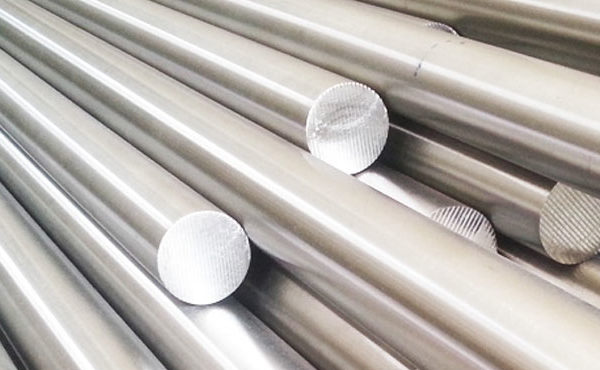
Featured Image Source: https://archcitysteel.com/wp-content/uploads/2018/08/nickelalloys-200-type-nickelalloy200-bars-600×370.jpg

Tubing Worth Paying More

What Makes 4130 Tubing Worth Paying More for in Builds Where Failure Is Not an Option

4130 Tubing Worth

When a build cannot afford failure, 4130 tubing delivers the required alloy toughness, fatigue resistance, and weldability that standard steel cannot match, making the higher material cost a far smaller risk than the alternative option.

Key Takeaways:

  • 4130 tubing delivers higher tensile strength than mild steel, allowing thinner walls and lighter parts without sacrificing load capacity.
  • Fatigue resistance in chromoly keeps cracks from forming early, critical in dynamic and load-bearing applications.
  • Low carbon content supports strong weldability, keeping joint integrity high through the heat-affected zone.
  • AMS and MIL-spec verified stock confirms the material meets tested tolerances, not just a grade name on a tag.
  • Knowing which form fits the application before ordering prevents costly mid-build substitutions when tolerances are tight.

Paying more for tubing is one of the first line items fabricators try to cut. The price gap between mild steel and chromoly is real, and it shows up on every quote. What never appears on the quote is what making a wrong material call costs later. Repeated loading, high vibration, human safety on the line. That’s exactly where 4130 tubing stops being a premium option and starts being the obvious one.

Engineers building race car frames, aircraft structures, and anything that cycles under load already know this. 4130 tubing carries chromium and molybdenum in the alloy, and that changes how the material behaves under stress, across fatigue cycles, and right at the weld where heat does its damage. It’s not a branding claim. The numbers are in the spec sheet, and they hold up under testing.

The Real Math Behind Material Decisions

  • The Strength-to-Weight Trade-Off That Changes a Fabricator’s Options: Chromoly pulls ahead of mild steel on tensile strength at the same wall thickness, and that gap is bigger than most people expect when they first run the numbers. A fabricator can spec thinner-walled 4130 tubing for the same load requirement and still walk away with a lighter part. In racing builds and aerospace work, that’s not a minor win. It changes what the whole assembly weighs, and weight compounds across every component.
  • Why Standard Steel Gets Chosen and Where That Decision Stings Later: Mild steel wins on price. That’s the argument, and it lands well when a spec isn’t reviewed carefully enough. The problem shows up when the application involves repeated loading, speed, or a human being on the other end of a failure. The savings disappear fast once remediation, failure analysis, and rebuild labor enter the picture. Those costs run well past the chromoly premium, and they arrive at the worst possible time.

Applications where 4130 tubing holds ground that standard alternatives can’t include:

  • Roll cage fabrication, where repeated flex cycles and side impact loads demand a material that won’t crack at the weld or lose integrity under prolonged heat input from the torch.
  • Aircraft structural members built to AMS or MIL-spec tolerances, where weight and stress requirements are set by certification, not by preference, and no margin exists for material substitution.
  • High-performance bicycle frames pushed through thousands of load cycles, where fatigue resistance is what separates a frame that lasts from one that doesn’t.
  • Motorsport chassis and suspension components running all season, where vibration frequency alone disqualifies mild steel before the car sees a third race weekend.

Where Ordinary Steel Starts Losing Ground

  • Fatigue Failure Does Not Announce Itself: Mild steel under repeated stress is patient. Cracks grow slow, stay quiet, and then the part lets go at a load it handled fifty times before. No warning. No gradual softening. Just done. That pattern is exactly what makes fatigue so costly in dynamic builds, because by the time the failure happens, the damage was already done long before anyone noticed. Chromoly pushes that crack initiation point further out and slows how fast damage spreads once it starts.
  • Weldability That Holds Up Where the Joint Matters Most: Mild steel welds fast and forgives sloppy technique. Chromoly asks for more attention, sure, but that attention pays back in a joint that holds its mechanical properties through the heat-affected zone rather than softening where the torch was hottest. Weld zones are where structural builds tend to fail first. The low carbon content in 4130 tubing keeps post-weld brittleness down, so the joint carries load the way the rest of the tube does, not as the weak point waiting to find its limit.
  • Heat Treatment Options That Extend What the Alloy Can Do:4130 takes well to annealing, normalizing, and quench-and-temper processes, which means engineers aren’t locked into one mechanical profile from the mill to the finished part. Need it softer for machining, then harder for service? That’s a real option with this alloy. Plain carbon steel doesn’t give fabricators that kind of range. The material is what it is, and the build just works around it.

Specifications That Separate the Right Stock From the Wrong One

  • Aerospace and Military Specifications Are Not Just Grade Labels: 4130 tubing produced to AMS-6360, AMS-6371, or MIL-T-6736 carries verified chemistry and confirmed mechanical properties. That’s different from a grade name printed on a tag. When a build requires certified material, those spec designations confirm the stock was manufactured and tested to tolerances that standard mild steel never gets near. Traceability matters most when the finished component faces formal inspection or airworthiness requirements.
  • Cold Drawn and DOM Forms That Change the Starting Point for Precision Work: Cold drawn and DOM versions of 4130 differ in ways precision fabricators notice quickly. The cold drawn no-seam form carries no weld line to worry about under internal pressure or rotational loading. DOM offers tighter dimensional consistency that simplifies machining setups and reduces material removal. Getting the right form specified before the order goes in avoids mid-build substitutions, which rarely land cleanly when tolerances are already tight.

Build It Right the First Time

Choose the Material That Matches What the Build Will Actually Face: Material selection should happen at the design stage, not after the first failure report lands on a desk. High-demand applications in motorsport, aerospace, and structural fabrication deserve stock that has been properly specified, sourced to grade, and backed by verified documentation. Reach out to a certified 4130 tubing supplier to go through specifications, available forms, and stock options for the build at hand. Get that conversation done before a deadline turns a straightforward material decision into a rushed one.

Featured Image Source: https://images.unsplash.com/photo-1610279213517-b268c1e756e1?w=600&auto=format&fit=crop&q=60&ixlib=rb-4.1.0&ixid=M3wxMjA3fDB8MHxzZWFyY2h8MTR8fHN0YWlubGVzcyUyMHN0ZWVsJTIwcGlwZXxlbnwwfHwwfHx8MA%3D%3D

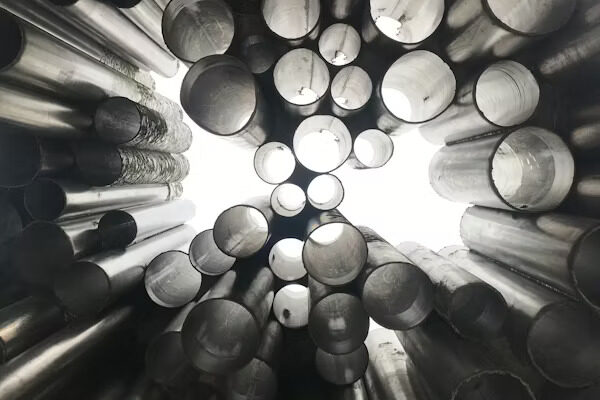
Close up shot of circle shape silver color pipeline tied together

How 310 Stainless Steel Tube Performs Under High Heat

How 310 Stainless Steel Tube Performs Under High Heat

310 grade stainless steel tube carries a nominal composition of 25% chromium and 20% nickel, giving it strong oxidation resistance in continuous service up to temperatures of 1040°C. It appears in industrial furnaces, petrochemical processes, and power generation equipment where lower alloy grades fail early. Before sourcing these tubes, always verify the mill test report and confirm the service atmosphere to make sure this grade is the right fit.

Continue reading “How 310 Stainless Steel Tube Performs Under High Heat”

How does a 4130 Square Tube Improve Durability and Performance in Structural Engineering Projects

How does a 4130 Square Tube Improve Durability and Performance in Structural Engineering Projects

How does a 4130 Square Tube Improve Durability and Performance in Structural Engineering Projects

4130 Square Tube is a chrome-molybdenum alloy steel known for high tensile strength and fatigue resistance. It outperforms standard steel tubes in structural engineering applications involving load-bearing frames, supports, and high-stress components.

Continue reading “How does a 4130 Square Tube Improve Durability and Performance in Structural Engineering Projects”

Precision, Performance, and Power: The Role of Light Wall Stainless Steel Tubing in Modern Engineering

7 Important Properties of 310 Stainless Steel Tube [Infographic]

Industrial environments that involve high temperatures, corrosive conditions, or demanding mechanical loads require materials with reliable performance characteristics. Selecting the right grade of stainless steel is essential for ensuring durability, safety, and long-term operational efficiency. Certain stainless steel alloys are specifically engineered to withstand extreme conditions.

Continue reading “7 Important Properties of 310 Stainless Steel Tube [Infographic]”

Superior Corrosion Resistance in Demanding Environments

Key Industrial Applications Where Nickel Alloy 20 Tubing Outperforms Standard Stainless Steel

Superior Corrosion Resistance in Demanding Environments

Industrial systems that handle corrosive media demand the use of materials that can hold up for years without failing. Standard grades of stainless steel often fall short when conditions include high acid concentrations or elevated temperatures. Nickel alloy 20 tubing has become a go-to option for plant engineers and procurement teams who cannot afford repeated material failures.

Continue reading “Key Industrial Applications Where Nickel Alloy 20 Tubing Outperforms Standard Stainless Steel”

8 Typical Industrial Applications of 316 Stainless Tubing [Infographic]

316 stainless steel tubing is widely used across industries where corrosion resistance, strength, and reliability are essential. Its molybdenum content enhances resistance to chlorides and harsh environments, making it suitable for demanding operational conditions. Understanding where this material is commonly applied helps engineers and buyers match performance requirements to real-world use. Continue reading “8 Typical Industrial Applications of 316 Stainless Tubing [Infographic]”

What Makes 309 Stainless Steel Pipe Ideal Choice in the Construction Industry?

9 Must-Know Facts About 309 Stainless Steel Pipe & Tube [Infographic]

9 Must-Know Facts About 309 Stainless Steel Pipe & Tube
Stainless steel plays an essential role in high-temperature and corrosive environments, and the 309 grade is one of the most widely used options in industrial applications. It delivers excellent strength and durability even under continuous heat exposure. These features make it suitable for demanding uses across refineries, power plants, chemical industries, and heavy fabrication. Continue reading “9 Must-Know Facts About 309 Stainless Steel Pipe & Tube [Infographic]”

The Engineering Strength Behind 316 Stainless Steel Tube: What Makes It Superior?

The Engineering Strength Behind 316 Stainless Steel Tube: What Makes It Superior?

The Engineering Strength Behind 316 Stainless Steel Tube: What Makes It Superior?

Industrial environments demand the use of materials that won’t fail when conditions turn harsh. The 316 grade stainless steel tube has earned its reputation in sectors where corrosion resistance matters most. From chemical processing to marine applications, this grade proves its worth on a daily basis. Continue reading “The Engineering Strength Behind 316 Stainless Steel Tube: What Makes It Superior?”

Superior Corrosion Resistance in Demanding Environments

What Makes a 316 Seamless Tube Ideal for High-Purity and Sanitary Applications?

Superior Corrosion Resistance in Demanding Environments

When material selection directly impacts product safety and regulatory compliance, choosing the wrong tubing can lead to contamination, costly recalls, and production shutdowns. A 316 grade seamless tube provides the specific properties needed in industries handling sensitive fluids or gases without compromising purity or introducing unwanted particles into processes.

Continue reading “What Makes a 316 Seamless Tube Ideal for High-Purity and Sanitary Applications?”