
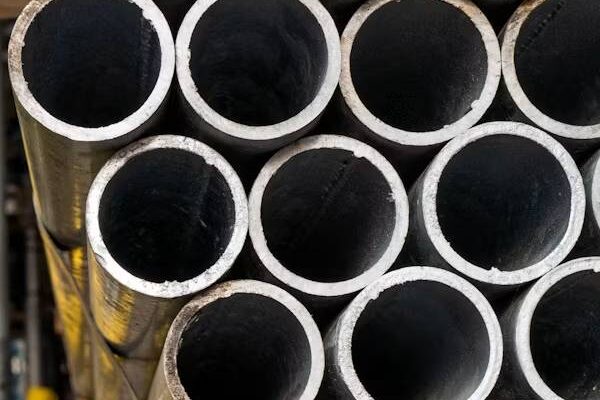
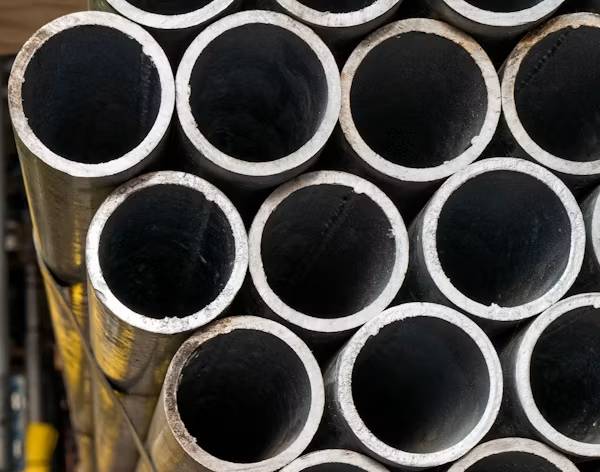
321 grade stainless steel tube holds up through years of heating and cooling cycles that crack ordinary grades at the welds. This article covers where the grade performs best in hot service and why it beats bargain tubing on total cost.
Key Takeaways
- The 321 stainless steel tube keeps its strength through the 800°F to 1500°F temperature range where plain grades break down.
- Titanium ties up carbon before carbides can form at the welds.
- Thousands of heat cycles, no cracking at the joints.
- Bargain tubing fails early in hot service, and the replacement bill proves it.
- Furnace parts, exhaust runs, and chemical lines all lean on this grade.
Most tubing specs get written at a desk, at room temperature, far from the furnace floor. Then the line goes hot and stays hot for months at a stretch. Scale forms. Welds crack. The 321 stainless steel tube exists for exactly this problem, and plants running continuous heat have leaned on it for decades.
The chemistry is almost boring on paper. A 321 stainless steel tube has titanium added to it, maybe half a percent, and that titanium bonds with carbon before the carbon can reach the chromium. So the chromium stays where corrosion resistance needs it. Plain 304 has no such protection once temperatures pass 800°F. Grade 321 does, all the way up near 1500°F.
The Slow Damage That Heat Cycles Leave Behind
- Sensitization Hides Well: Between 800°F and 1500°F, carbon in an ordinary austenitic grade moves to the grain boundaries and forms chromium carbides there. The chromium that should be protecting the metal gets used up in the process. From the outside the tube looks untouched. Some plants only learn about the problem after a line splits open.
- Startups and Shutdowns Add Up: Every heat-up stretches the tube a little. Cooling pulls it back again. A system cycling once a day racks up hundreds of these moves each year, thousands over a service life, and the metal remembers every one. Weld zones carry the heaviest load. Resisting sensitization there buys real years.
- Welds Take the Damage First: The area right beside a weld sat at sensitizing temperature while the joint was made, then keeps returning to it in hot service. Inspectors doing dye penetrant work find intergranular attack concentrated in those bands, not out in the middle of straight runs. Stabilized tubing closes that gap. On a line with hundreds of welds, that is the whole argument.
What Early Tube Failure Actually Costs a Plant
- Failures Pick Their Own Timing: Nobody schedules a cracked exhaust run or a weeping exchanger tube. The repair lands on the plant’s worst week instead, with rush freight on material, contractors billing overtime, production standing still. One event like that can swallow the entire price gap between bargain tubing and the grade the job needed.
- The Costs That Never Get Traced Back: Purchasing sees the invoice and stops there. The rest of the money hides in maintenance budgets months later, scattered across line items nobody connects to one tubing decision. Plants that moved their hot service lines over to a stabilized grade usually notice the change in a few places first.
- Inspection crews spend less time chasing cracks at weld seams.
- Replacement intervals stretch out by years, not months.
- Less scaffold rental and fewer confined-space entries for repair work.
- The spares shelf gets simpler when one grade covers several hot lines.
Systems Built to Run Hot and Stay Running
- Furnace Work Never Cools Down: Annealing fixtures and furnace internals spend their whole service life inside the sensitization range. This grade came out of that exact problem. It keeps tensile strength where standard austenitics go brittle at the boundaries, and the maintenance log shows it. Anyone tracking repair hours sees the pattern inside a couple of years.
- Refineries Wrote It Into the Spec Long Ago: Hot process streams move through miles of tubing in a refinery. Exhaust systems on aircraft and industrial equipment swing from ambient to glowing in minutes. Both settings adopted 321 stainless steel tube decades back, and it stays in new build specs because nothing cheaper has matched its record.
- Lifecycle Math Favors the Stabilized Grade: A tube lasting twelve years instead of five changes the spend picture completely. Fewer labor hours, less disposal paperwork, smaller material orders across the life of the plant. Procurement teams that price by lifecycle rather than invoice total keep landing on the same answer. The premium disappears before the first avoided repair.
Put the Right Metal in the Hot Zone
Tubing decisions made at the purchase order stage play out for years afterward, long after the paperwork gets filed. A titanium-stabilized grade costs a little more upfront and far less than one emergency repair with production down. Before the next hot service project locks in, put the service temperatures, wall thickness, and sizing in front of a supplier who knows the grade.