
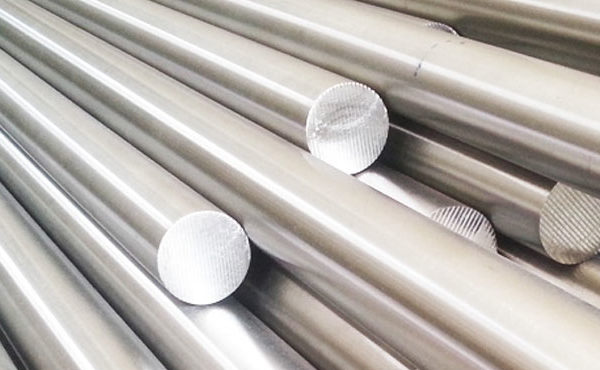
Alloy 625 tubing is the answer when chlorides, high heat, or sour gas push standard stainless past its limits. This guide covers the chemistry behind its corrosion resistance, the service conditions where it earns its cost, and the ASTM specs that govern it. It also lays out what procurement teams should verify on every mill test report before signing off.
Key Takeaways
- Alloy 625 grade holds up where 316L stainless cannot, particularly in chloride-rich, sour, or high-temperature service from cryogenic ranges up to 1800°F.
- The corrosion resistance comes from a specific mix of chromium, molybdenum, and niobium. Each element has a job, and the chemistry must sit well inside ASTM limits, not at the edge.
- ASTM B444, B704, B705, and B751 cover the main pipe and tube forms. The right specification depends on whether the product is seamless or welded and what service it sees.
- Mill test reports need a real review every time. Heat traceability, chemistry, mechanical values, heat treatment, and NDE results all matter, and PMI on receipt catches the rest.
Picking the wrong tubing can cost a project months of delay and serious money. Pitting and cracking are real risks. Sudden failure under load is worse. A failed line in a chemical plant or offshore platform is not a problem you fix on a Sunday. So when conditions get harsh, alloy 625 shows up in spec sheets again and again. This guide walks you through where it earns its place, what goes wrong when buyers pick the wrong grade, and what to verify before you sign off on nickel alloy 625 tubing for a purchase order.
What Sets Alloy 625 Apart
Alloy 625 or UNS N06625 is a nickel-chromium-molybdenum alloy enhanced by the addition of niobium to make it stronger. The composition of nickel alloy 625 tubing will give you the basic facts.
- Nickel: 58% minimum
- Chromium: 20 to 23%
- Molybdenum: 8 to 10%
- Niobium plus tantalum: 3.15 to 4.15%
- Iron: 5% maximum
The molybdenum and niobium handle pitting and crevice attack. Chromium covers oxidation. Nickel provides toughness over a broad temperature range.
This alloy performs well between cryogenic temperatures and around 1800°F (982°C). This combination is unique to very few alloys.
Where It Fits
Design teams reach 625 grade when standard stainless steel cannot hold up. A few common service conditions:
- Offshore oil and gas piping is exposed to seawater and sour gas.
- Chemical processing lines carrying acids, especially mixed acid streams
- Heat exchanger tubes in flue gas desulfurization units
- Aerospace exhaust systems and ducting
- Reactor components in pulp bleaching plants
- Subsea umbilicals and downhole tubulars
If your service involves chlorides, high temperatures, or upset conditions, 625 gives you a safety margin that 316L cannot match. The cost difference looks large on paper. The lifecycle math usually says otherwise, especially in a service that runs hot or sees aggressive media.
ASTM Standards You Should Know
Alloy 625 tubing is covered by several specifications. The right one depends on the form and end use:
- ASTM B444: seamless and welded nickel-chromium-molybdenum-niobium pipe
- ASTM B704: welded tube for general corrosive service
- ASTM B705: welded pipe
- ASTM B751: general requirements for nickel and nickel alloy welded tube
What Procurement Teams Should Verify
Mill test reports are your verification document. Skip the review, and you risk a costly callback. Worth checking every time:
- Heat number traceability back to the melt
- Chemistry within ASTM limits, with no element near the edge
- Mechanical properties, including yield and tensile values
- Heat treatment condition matches the grade you ordered
- NDE results, hydrostatic or eddy current testing as required
- Compliance markings, such as NACE MR0175 if sour service applies
Counterfeit and downgraded material does circulate, especially in markets with thin supply. Asking for a positive material identification test on receipt is not paranoid. The cost is small compared to a callback. Some procurement teams build PMI into their incoming inspection routine and never look back.
Cost Versus Consequence
Alloy 625 tubing costs more than stainless steel. That is the reality of chemistry. Nickel and molybdenum prices set the floor. The question worth asking is what a single failure costs in your application. Lost production, environmental release, regulatory fines, and plant downtime. Set against those numbers, the price gap usually shrinks fast.
Specify the right grade. Verify the paperwork. That is most of the job.
Featured Image Source: https://archcitysteel.com/wp-content/uploads/2018/08/nickelalloys-200-type-nickelalloy200-bars-600×370.jpg