
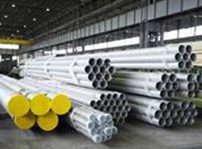
This post shows you how to read a mill test report before you accept a 304 stainless steel tube delivery. It covers heat number matching, chemistry limits, test results and the certificate type to ask for.
Key Takeaways
- Match the heat number on the MTR to the marking on every tube length, and move it onto any cut piece before the mark is lost.
- Check each element in the chemical analysis against the grade limits. 304 caps carbon at 0.08 percent, and 304L drops that cap to 0.035 percent.
- For ASTM A269 tubing, look for the annealed condition, hardness below the spec maximum, and a passed electric or hydrostatic test.
- Ask for an EN 10204 3.1 certificate, since it carries actual results from your batch while a 2.2 report may not.
A mill test report often travels with a tubing order, and it is easy to file away unread. That habit feels harmless until an auditor asks for proof or a weld fails in service. Then the only record of your material sits in a folder nobody opened. The report runs a page or two, yet it holds the chemistry, the strength results, and the heat number that links paper to metal. Before you sign for your next 304 stainless steel tube delivery, match the heat number on the report to the one marked on each length.
Here is why it deserves a few minutes of your time. Mill test reports and mill test certificates are one document under two names, and MTR is the more common label in North America. For 304 stainless steel tube, the report is your evidence that the material matches the grade, the ASTM spec, and your purchase order.
How to Match the Heat Number on a 304 Stainless Steel Tube MTR
Let’s break it down, starting with the heat number. This code identifies the melt your tube came from, and it should match the marking on the tube itself. Treat any mismatch as a traceability problem, even when the rest of the page looks clean.
Picture a receiving clerk with a two-page certificate and forty lengths of tube waiting on the dock. Would the number on page one match every stencil on that pallet? If your shop later cuts the tube and removes the mark, the heat number needs to go onto the new piece first.
Reading 304 Stainless Steel Tube Chemistry Against Grade Limits
After that, check the chemical analysis. Each element appears as a percentage, and every value should sit inside the limits for the grade. For 304, carbon tops out at 0.08 percent and chromium falls between 18 and 20 percent. The carbon cap for 304L tube drops to 0.035 percent.
Perhaps the label that confuses buyers most is 304/304L. It means the material meets the lower carbon limit of 304L and the slightly higher strength of 304. The producer has to certify it as 304 if you plan to use it as 304.
Test Results and Certificate Types for 304 Stainless Steel Tube
ASTM A269 covers tubing for general corrosion-resisting service at low or high temperatures. Under this spec, tubing comes in the heat-treated condition, and the mechanical checks include flaring, flange, hardness, and reverse flattening tests. Each tube also needs a nondestructive electric test or a hydrostatic test. On the report, look for:
- A heat treatment entry that confirms the annealed condition
- Hardness results below the spec maximum
- A line showing the electric test or hydrostatic test passed.
- The certificate type your order asked for, such as EN 10204 3.1
A 3.1 certificate carries actual results from the batch you received, validated by an inspection representative outside the production department. A 2.2 test report may show numbers from a different heat, which breaks the link to your tube.
Next Steps Before You Accept 304 Stainless Steel Tube
At receiving, lay the purchase order, the MTR, and the tube markings side by side. Compare grade, spec, heat number and size line by line. If anything looks off, ask the supplier for a corrected report before the tube goes into service. Is a short hold at the dock worse than a leak in service six months later? It is hard to argue that it is.