
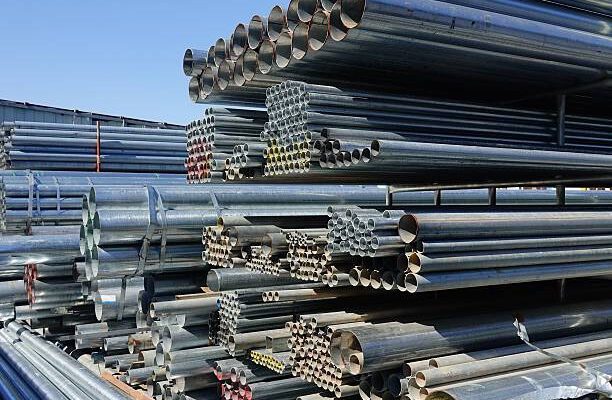
Industrial operations demand the use of materials that withstand extreme conditions without compromising performance. From scorching furnace environments to aggressive chemical exposure, selecting the right tubing determines operational efficiency and safety margins. Advanced manufacturing sectors rely on 310 stainless steel tubes and specialized alloys that resist thermal degradation and corrosive attack. The material choice directly impacts equipment longevity, maintenance costs, and production continuity across demanding applications.
The 310 stainless steel tube stands out as a superior solution for high-stress industrial environments where standard materials fail prematurely. This austenitic chromium-nickel alloy delivers exceptional oxidation resistance at elevated temperatures reaching 2100°F, making it indispensable for critical operations. Its composition combines durability with thermal stability, ensuring reliable performance across petrochemicals to energy production sectors. Industries depend on this material for infrastructure that cannot afford failure.
Heat Treatment Furnaces Driving Performance Excellence
- Withstanding Continuous Thermal Cycling: Furnace operations expose materials to repeated heating and cooling cycles that cause standard alloys to crack and deform. The 310 grade maintains its structural integrity through these temperature fluctuations, preventing costly equipment failures and production shutdowns. Heat treatment facilities processing aerospace components and automotive parts rely on this tubing for providing consistent temperature distribution. This reliability translates into predictable output quality and reduced reject rates.
- Resisting Oxidation at Peak Temperatures: When furnace atmospheres reach extreme temperatures, ordinary stainless grades develop thick oxide scales that compromise heat transfer efficiency. The chromium-rich surface of 310 tubing forms a protective barrier that remains stable above temperatures of 2000°F, maintaining optimal thermal conductivity. Carburizing and annealing operations benefit from this sustained performance, eliminating premature tube replacement. Facilities reduce maintenance intervals and extend capital equipment investment returns significantly.
Chemical Processing Plants Requiring Corrosion Defense
- Managing Aggressive Chemical Environments: Petrochemical refineries and pharmaceutical manufacturing expose tubing to acids, alkalis, and chloride-bearing solutions that rapidly attack inferior materials. The nickel content in 310 alloy provides enhanced resistance against these corrosive agents, particularly in elevated temperature processing streams. Plants handling sulfuric acid catalyst systems depend on this material to prevent contamination risks. Equipment failures in these environments create hazardous conditions and regulatory compliance issues.
- Preventing Material Degradation in Mixed Atmospheres: Chemical reactors often involve simultaneous exposure to oxidizing gases and corrosive liquids, creating complex degradation mechanisms. Standard tubing suffers from intergranular corrosion and stress cracking under these combined attack modes. The 310 grade resists both oxidation and carburization, maintaining pressure integrity in multi-phase process streams. This dual resistance protects against catastrophic tube failures that lead to emergency shutdowns and environmental incidents.
Power Generation Systems Maximizing Efficiency
- Supporting Energy Production Infrastructure: Fossil fuel and biomass power plants utilize heat exchanger tubes in boiler systems operating at extreme temperatures with combustion byproducts present. The 310 material withstands sulfur-containing flue gases and ash deposits that accelerate tube wastage in conventional stainless steels. Superheater and reheater sections benefit from extended service life, reducing forced outage frequency. Plant operators achieve higher capacity factors and lower maintenance expenditures through strategic material selection.
Key advantages in power generation include:
- Superior creep resistance:Maintains mechanical strength under sustained high-temperature loading conditions, preventing tube sagging and rupture.
- Thermal shock tolerance:Accommodates rapid temperature changes during startup and shutdown cycles without developing stress cracks.
- Scale adhesion control:Forms stable oxide layers that resist spalling, maintaining consistent heat transfer rates throughout service life.
- Weld joint integrity:Supports reliable fabrication without sensitization concerns that plague lower-grade austenitic alloys in thermal service.
Securing Long-Term Industrial Reliability
Strategic material selection determines whether operations achieve planned efficiency targets or face unexpected downtime costs. The proven performance of 310 tubing across diverse industrial sectors demonstrates its value in protecting critical infrastructure investments. Plants that prioritize quality materials position themselves for sustained competitive advantage through lower lifecycle costs. Contact specialized suppliers today to match your specific application requirements with the right metallurgical solution for lasting operational success.
Featured Image Source: https://media.gettyimages.com/id/2230033981/photo/yichang-china-august-17-2025-a-view-of-steel-pipes-at-a-steel-market-in-yichang-city-in.jpg?s=612×612&w=0&k=20&c=ghUEtvLGfhJHc9Ofn90BtiHyseGCEAY4TQss-pqnSp0=