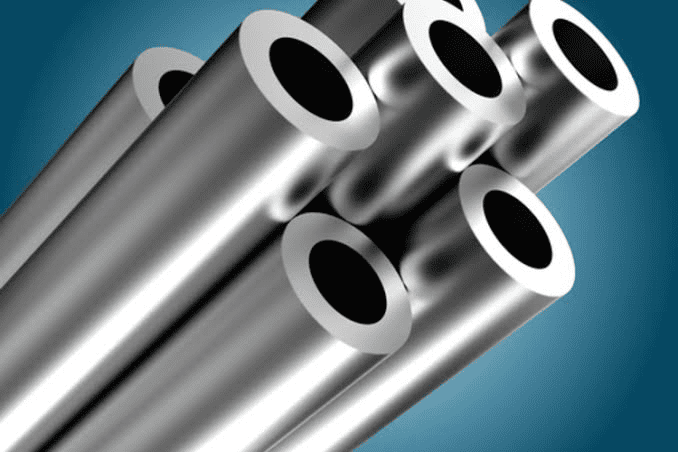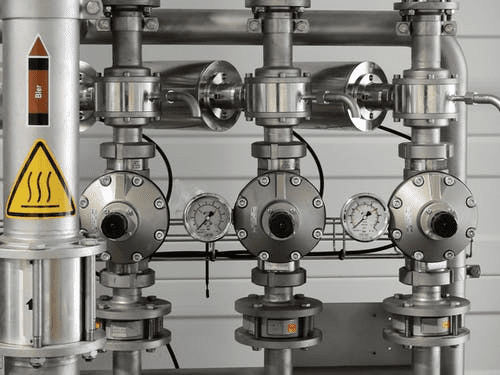
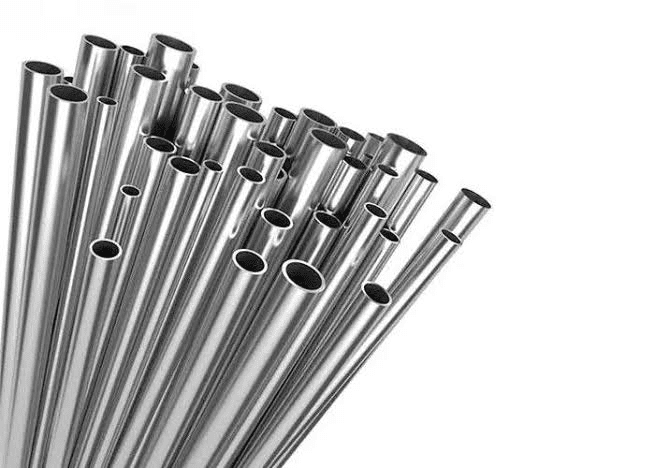
Nickel is a versatile metal element, which can mix with various metals to yield valuable nickel alloys. Nickel alloys are non-ferrous metals possessing high strength and toughness. They show superior corrosion resistance and have excellent elevated temperature properties. Nickel alloy 625 (UNS N06625) is a popular nickel-chromium alloy known as Inconel® 625. It is highly valuable for its high strength, excellent fabricability, and adequate corrosion resistance. Continue reading “Six Things to Know About Nickel Alloy 625”