
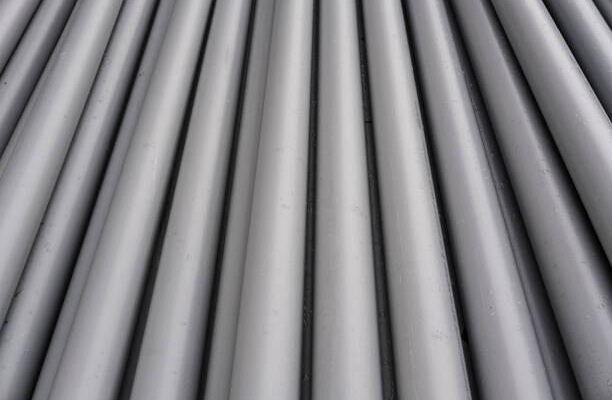
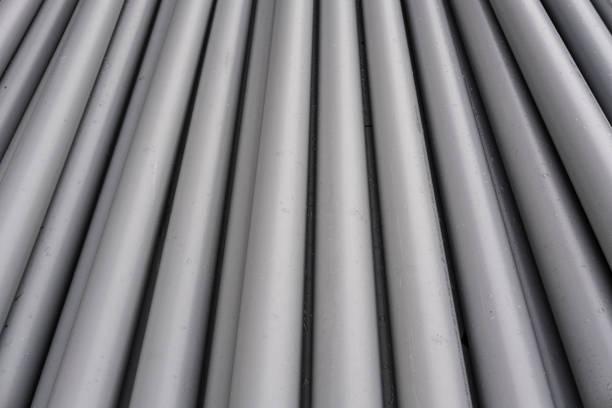
Choosing the wrong pipe material in a demanding environment is a costly mistake that compounds quickly. The C276 pipe, manufactured from Hastelloy C-276 nickel alloy, is built to handle conditions that cause standard steel and other alloys to fail. Its corrosion resistance, thermal stability, and mechanical strength make it a specified choice across some of the world’s most challenging industrial sectors.
What separates c276 pipe from less capable materials is its resistance to both oxidizing and reducing environments simultaneously. That dual resistance is rare among industrial alloys and matters most when process fluids vary in pH, temperature, or chemical composition. Specifying the use of c276 pipes in unpredictable or severe operating conditions reduces the risk of failure and keeps lifetime maintenance costs under control.
When Alloy Selection Shapes Operational Outcomes
- Properties That Define Performance Under Pressure: Hastelloy C-276 contains high concentrations of nickel, molybdenum, and chromium, which together deliver strong resistance to pitting, crevice corrosion, and stress corrosion cracking. These properties make the alloy suitable for aggressive wet chemical and high-temperature service environments. Getting material selection right at the design stage prevents expensive retrofitting and unplanned shutdowns throughout the project lifecycle.
- Temperature Range and Structural Integrity: C276 alloy holds its structural properties across a wide service range, from cryogenic temperatures up to around 1900°F under oxidizing conditions. Industrial operations rarely run under perfectly controlled conditions. When temperatures spike or drop unexpectedly, the pipe material holding the system together must absorb that variation without losing mechanical reliability or developing microcracks that accelerate corrosion.
Where Sour Gas and High Pressure Expose Material Limits
- Hydrogen Sulfide and Acid Resistance in Oil Processing: Hydrogen sulfide and carbon dioxide are constant threats to pipe integrity in oil and gas production. C276 pipe resists both, handling sulfide stress cracking and acidic fluid attack that would compromise less resistant materials quickly. Upstream operations and refineries specify this alloy for sour service piping, heat exchanger tubes, and critical transfer lines in processing facilities that operate continuously.
- Deepwater and High-Pressure Service Applications: High-pressure gas processing and deepwater extraction push pipe systems well beyond what standard alloys handle reliably. The mechanical strength of C276 alloy, combined with its corrosion resistance, gives engineers confidence in long-term service life at depth and under sustained pressure. Fewer replacements, reduced downtime, and lower maintenance frequency make the investment in premium alloy pipe a sound operational decision.
Salt, Depth, and the Pipe That Holds Its Own
- Chloride Resistance and Saltwater Exposure: Saltwater attacks pipe materials through chloride-induced pitting, crevice corrosion, and biological fouling that shorten service life in marine installations. C276 alloy resists chloride attack more effectively than most nickel alloys, making it reliable for seawater piping on offshore platforms, marine exhaust systems, and coastal processing facilities where continuous saltwater exposure is unavoidable throughout the operational period.
- How Desalination Plants Depend on Alloy Integrity: Desalination plants expose piping to concentrated salt, heat, and pressure that degrades standard materials fast. Materials that corrode or scale under these conditions reduce output and require frequent replacement. C276 pipe supports consistent performance in both reverse osmosis and thermal desalination systems, extending service intervals and cutting unplanned maintenance in water treatment operations where output reliability matters.
Acids, Reactive Gases, and Pollution Control Demands
- Reactor Systems and Transfer Line Specifications: Chemical plants operate with acids, solvents, and reactive gases that attack standard pipe materials rapidly. C276 pipe is specified for reactor linings, transfer lines, and scrubber systems where chemical aggression runs continuously. Its resistance to wet chlorine, hydrochloric acid, and sulfuric acid addresses the most corrosive service conditions found in industrial chemical production and specialty manufacturing facilities.
- Pollution Control Applications Across Multiple Industries: Flue gas desulfurization systems, waste incinerators, and industrial scrubbers expose piping to corrosive byproducts that destroy standard alloys within months. C276 pipe handles these environments because it resists simultaneous attack from heat, moisture, and concentrated acidic gases over extended service periods without degrading. Key applications in this sector include:
- Flue gas desulfurization ducting where sulfuric acid condensation occurs at high rates on pipe surfaces.
- Scrubber inlet and outlet piping exposed continuously to hydrochloric acid gas streams during operation.
- Incinerator exhaust systems handling hot, wet, and chemically aggressive combustion gases at sustained temperatures.
Specifying the Right Alloy Changes the Outcome
Industries operating in corrosive, high-temperature, or chemically aggressive environments cannot afford to compromise on the use of pipe material. C276 pipe delivers the performance that demanding applications require, and selecting it correctly from project outset protects system integrity and long-term operational budgets. To source certified C276 pipe for a specific application, contact a qualified industrial alloy supplier and request full mill certifications and traceable heat numbers before placing any order.
Featured Image Source: https://media.gettyimages.com/id/1221390092/photo/pile-of-piping-on-construction-site.jpg?s=612×612&w=0&k=20&c=8j5PCAaTiuQY1aAr3RIVLcDnB-YUcKmWdotA44nc0Yk=