
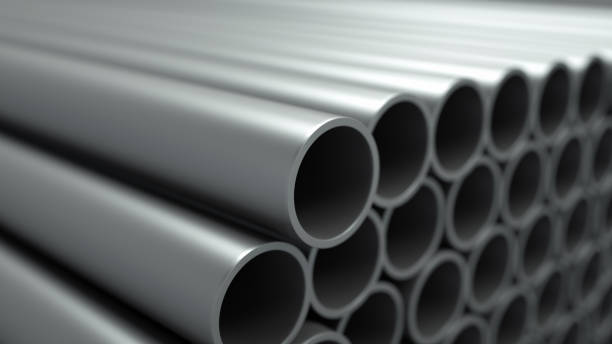
Industrial buyers weigh lifecycle value over sticker price, and 316 seamless tubes are answering that shift. Corrosion resistance cuts downtime and steadies output where cheaper grades quit early, giving demanding operations dependable service for years.
Key Takeaways:
- 316 seamless tube resists pitting and chloride attack in harsh process service.
- Lower maintenance means fewer shutdowns and steadier production.
- Molybdenum sets 316 apart from 304 where corrosion runs high.
- Lifecycle cost beats upfront price once failures get counted.
- Consistent runs protect schedules and margins.
Buyers running refineries and process plants have started asking a sharper question about materials. Not what this cost today, but what it will cost across fifteen years of hard service. 316 seamless tube answers that question well, holding its ground where cheaper metal gives out early and drains the maintenance budget.
This shift in thinking explains a real change on the plant floor. 316 seamless tube gives engineering and procurement teams a material that earns its place through years of steady service. The molybdenum inside the alloy handles chlorides and acids that eat weaker grades alive. Longer runs between repairs follow naturally.
The Real Math Cheap Metal Hides
- Lifecycle Value Over Upfront Savings: A low quote feels like a win until the first corrosion failure hits. Replacement parts, drained systems, idle crews, and missed delivery dates pile up fast. Teams pricing the full service life rather than a single purchase order choose grades that stay working far longer.
- The Hidden Bill After a Failure: Downtime rarely arrives alone. One cracked line can shut a unit for days while crews source parts and drain the loop. Every idle hour bleeds revenue, and rushed replacements cost more than planned ones. That quiet math is why lifecycle thinking now guides serious buying decisions.
The Corrosion Battle Weaker Grades Keep Losing
- Molybdenum Does the Heavy Lifting: The two to three percent molybdenum in 316 changes how the metal behaves in nasty service. Chlorides that pit and crack 304 struggle against it. Seawater cooling, acid washdowns, and salt-laden air stop being a countdown to replacement. The alloy holds its surface where thinner protection would already be flaking.
- Fewer Weak Points Along the Run: Drawn as one solid piece, this tubing skips the welded seam that becomes the first casualty in corrosive service. No seam means no line of reduced corrosion resistance running the length of the part. Pressure stays even across the wall, and the usual leak point is simply gone.
Plants Where This Tubing Proves Itself
- Built for Punishing Conditions: Refineries, chemical facilities, and power plants throw the worst at their piping every single day. High heat and aggressive media wear ordinary steel thin while the pressure keeps cycling. This is where the material stops being a line item and becomes protection for the whole schedule. Reliable output depends on parts that refuse to quit.
- Common spots where this tubing earns a place on site:
- Heat exchangers and condensers running brackish or treated water.
- Acid transfer lines that would eat carbon steel within months.
- Instrument and hydraulic runs where one leak is unacceptable.
- Coastal rigs battling salt spray around the clock.
- One Failure Too Many: Any plant manager who has watched a corroded line force an emergency outage learns the lesson once. The cheaper grade saved money on paper and cost a fortune in reality. Specifying the right tube up front removes that gamble. Steady production and predictable maintenance windows are worth far more than a small saving on the invoice.
Getting the Spec Right the First Time
- Match the Grade to the Media: Not every job needs 316, and honest sourcing says so plainly. Where chlorides or marine air come into play, though, 316 seamless tubes pay back its premium many times over. Checking the operating temperature, pressure rating, and chemical exposure before ordering keeps the specification tight and the budget honest.
- Documentation That Backs the Metal: Mill test reports and material certifications turn a claim into proof. They confirm the chemistry, the mechanical properties, and the standards each length was made to meet. On a project facing an audit or a demanding client, that paper trail matters as much as the alloy itself. Traceability keeps the whole job defensible.
Building Lines That Outlast the Doubts
The plants that run without nasty surprises are the ones that spent their material budget where it counts. Corrosion resistance, clean drawn walls, and full traceability add up to years of quiet, dependable service. Teams ready to stop gambling on inferior grades can compare specifications and request pricing at https://archcitysteel.com/ before the next project starts.