
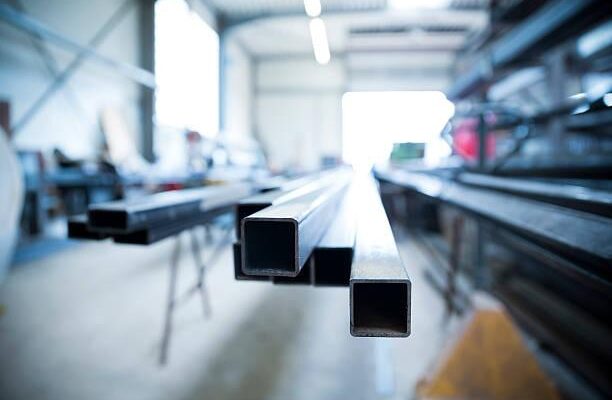
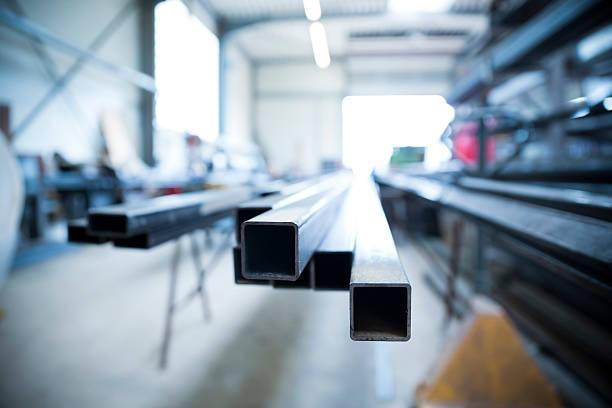
4130 Square Tube is a chrome-molybdenum alloy steel known for high tensile strength and fatigue resistance. It outperforms standard steel tubes in structural engineering applications involving load-bearing frames, supports, and high-stress components.
Key Takeaways:
- 4130 Square Tube delivers higher tensile strength than standard carbon steel tubes.
- Its chrome-molybdenum composition improves weldability and fatigue resistance.
- Ideal for frames, supports, and load-bearing structural components.
- Reduces long-term maintenance costs in demanding engineering environments.
- Preferred for critical structural and industrial engineering projects.
Structural engineers working on demanding projects often find that regular carbon steel tubes fall short under cyclic loading and mechanical stress. They crack early and push maintenance costs up fast. Choosing the wrong tube for load-bearing applications causes failures, delays, and budget overruns that no project can absorb. 4130 Square Tube changes this equation with chemistry and strength behind it.
4130 Square Tube is a chrome-molybdenum alloy steel tube that delivers higher tensile strength and better fatigue resistance compared to standard carbon steel. Its chemical makeup gives it the ability to handle repeated mechanical stress without losing structural integrity. Engineers working on frames, supports, and critical components consistently choose it because material failures are not an option.
Where Standard Steel Falls Apart
- Fatigue Cracking Under Repeated Loads: Regular mild steel tubes begin to show fatigue cracks in high-vibration or load-shifting environments. Cyclic stress builds up in the tube walls over time, and once cracking starts, it spreads fast. Engineers who ignore this risk often pay through emergency replacements and structural assessments that disrupt entire project timelines well before they expect.
- Inadequate Strength for High-Performance Frames: Standard steel tubes frequently force engineers to add more material just to meet load requirements. The tensile yield strength of regular carbon steel is often insufficient for high-performance structural work. This leads to over-engineered, heavier frames that cost more to fabricate and install. The trade-off between weight and structural capability is a constant problem that better alloy grades address directly.
The Alloy Advantage in Structural Applications
- Chrome-Molybdenum Composition and Load Tolerance: The chromium and molybdenum content in 4130 grade is what separates it from basic carbon steel. Chromium improves hardness and corrosion resistance, while molybdenum adds toughness at elevated temperatures. Together, they produce a tube that holds its shape and strength under loads that would cause standard steel to yield, creep, or fail before its expected design life.
- Performance Properties Worth Noting: Key characteristics that set 4130 apart from standard steel tubes include the following:
- Higher tensile strength, reducing the risk of deformation under sustained structural loads.
- Better fatigue resistance, extending service life of frames and load-bearing supports.
- Improved weldability for clean, reliable joints that hold under mechanical stress.
- Consistent performance across varying temperatures in outdoor and industrial settings.
- Lower maintenance demands because the material resists degradation at a slower rate.
Built for the Work Structural Engineering Actually Demands
- Frames and Supports That Hold Under Pressure: Frames built with 4130 grade tubes carry loads more reliably than those using standard alternatives. The square geometry of the tube distributes stress evenly across all four walls, which reduces concentration points where cracking typically begins. Engineers working on industrial platforms, equipment support structures, and overhead frames report fewer stress-related failures with 4130 than with other commonly available tube grades.
- Weld Performance and the Heat-Affected Zone: One concern engineers have when selecting alloy steel is how it responds to welding. Poor performance in the heat-affected zone can negate a material’s base strength. 4130 responds well to standard welding processes and maintains acceptable hardness in zones adjacent to weld beads. That predictability matters more than most engineers expect when specifying materials for structural fabrication.
Sourcing Quality That Matches the Engineering Standard
- Material Certification and Traceability: For structural projects, the quality of sourcing matters as much as the grade specification itself. 4130 tubes purchased without proper mill certifications or chemical composition verification can fail to meet design requirements even if it carries the right label. Working with a distributor who provides full material traceability and certified test reports removes uncertainty before fabrication starts.
- Custom Sizing and Reliable Inventory: Engineers working under tight project deadlines cannot afford material shortages or long lead times. Access to a well-maintained inventory of 4130 square tubing in multiple sizes and wall thicknesses makes a meaningful difference in project scheduling. Distributors who stock a broad range and can cut to length on demand are the partners that structural engineering teams need most.
The Grade That Builds Projects That Last
Choosing the right tube grade is one of the most consequential decisions in any structural engineering project. 4130 Square Tube offers the strength, fatigue resistance, and weldability that standard carbon steel tubes simply cannot match. For engineers who want reliable performance and long service life, explore what the right distributor and the right grade can do for your next project.
Featured Image Source:https://media.gettyimages.com/id/668766345/photo/germany-metal-steel-raw-material.jpg?s=612×612&w=0&k=20&c=i-fg5N4oe53-2J7DRwt2SL9ill2nJ4V5Te04L3zgUvk=