
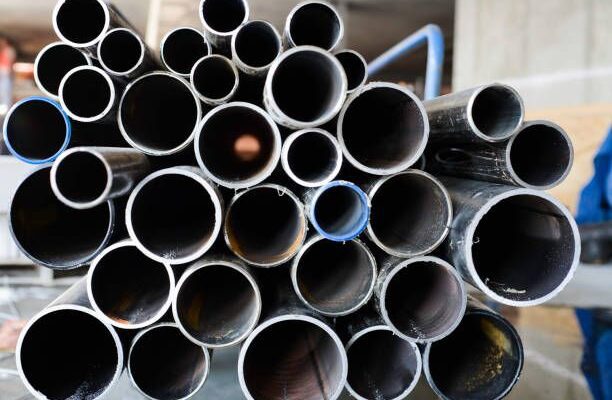
Industrial environments demand the use of materials that won’t fail when conditions turn harsh. The 316 grade stainless steel tube has earned its reputation in sectors where corrosion resistance matters most. From chemical processing to marine applications, this grade proves its worth on a daily basis.
Engineers specify 316 stainless steel tubes for projects where inferior materials cause costly failures. The molybdenum addition sets this grade apart from standard austenitic stainless steels. This enhancement creates barriers against chloride attack and pitting corrosion that devastate equipment in aggressive conditions.
Chemical Composition That Delivers Performance
- Molybdenum Content Makes The Difference: The defining characteristic lies in its 2-3% molybdenum content. This element provides resistance against localised corrosion in chloride-rich environments. Coastal facilities benefit from this enhanced protection, reducing maintenance shutdowns and replacement costs significantly.
- Chromium and Nickel Balance: Chromium content of 16-18% works with 10-14% nickel to create a stable austenitic structure. This combination maintains non-magnetic properties and delivers exceptional formability. The structure remains stable across wide temperature ranges for various applications.
- Carbon Control For Weldability: Low carbon content below 0.08% prevents carbide precipitation during welding operations. This feature allows fabricators to join sections without risking intergranular corrosion. Weldability reduces installation time and creates joints matching the base material’s corrosion resistance.
Corrosion Resistance In Demanding Environments
- Chloride Attack Prevention: Marine environments expose metals to chloride ions that penetrate protective oxide layers. Molybdenum strengthens the passive film forming on the surface. This barrier resists breakdown when exposed to saltwater spray or industrial effluents containing chlorides.
- Pitting and Crevice Corrosion Defence: Localised corrosion forms where oxygen access becomes restricted under gaskets or within threaded connections. Standard grades fail rapidly under these conditions. The pitting resistance equivalent number typically exceeds 24, indicating superior performance.
- Acid Resistance Characteristics: Sulphuric acid, phosphoric acid, and acetic acid appear frequently in industrial processes. Tubing systems handling these chemicals require materials that won’t thin and fail. This grade offers good resistance to many organic and inorganic acids at moderate concentrations.
Mechanical Properties For Structural Applications
- Strength Retention Across Temperatures: Tensile strength of approximately 515 MPa provides adequate structural capacity for pressure vessels. These values remain stable from cryogenic temperatures up to 425°C. This consistency allows engineers to design systems with confidence across operating ranges.
- Ductility and Formability Benefits: The austenitic structure permits significant cold working without becoming brittle. Fabricators can bend and form tubing to meet complex routing requirements. The material work-hardens during forming, which increases strength in critical areas when needed.
Key Industrial Applications
Versatility appears across multiple sectors where reliability cannot be compromised in any circumstances:
- Chemical processing equipment handling corrosive substances benefits from enhanced chloride resistance preventing catastrophic failures.
- Marine hardware utilises this tubing for hydraulic systems and instrumentation lines exposed to saltwater environments constantly.
- Pharmaceutical manufacturing relies on this grade where cleanliness and corrosion resistance meet stringent regulatory requirements.
- Food processing facilities choose this material for systems contacting acidic products and high-temperature sterilization processes.
Conclusion
Superior performance stems from carefully balanced chemical composition and resulting properties in demanding applications. Engineers who specify this grade protect projects from costly consequences of corrosion failures. The molybdenum addition provides crucial resistance to chloride attack devastating lesser materials. Evaluate whether your current material selections provide adequate protection for operating conditions and consult qualified specialists today.
Featured Image Source:https://media.gettyimages.com/id/84146546/photo/steel-pipe.jpg?s=612×612&w=0&k=20&c=5paxJ7KNHWD_EJAy2lkjnUesQ31lxqj07V-4tV_CIrI=